

Helsinki Geoeconomics Week 2026 brought together scholars, practitioners, policymakers, and emerging geoeconomists for five days of discussion on the structural changes reshaping the global economy and the practice of geoeconomics.
The week opened with the Trade and Investment committees, which examined a wide range of issues including export controls, market access, strategic investment screening, and the growing use of economic instruments in the pursuit of national and corporate objectives. Participants joined both in person and online, contributing to a substantive exchange on the changing character of trade, investment, and economic security.
The programme then moved into further sessions on investment and finance, exploring how capital, financial infrastructure, and investment decisions are increasingly shaped by geopolitical and strategic considerations. Across the committee discussions, participants considered both emerging trends and deeper structural shifts, with particular attention to the challenges these developments pose for firms, policymakers, and institutions operating across jurisdictions.
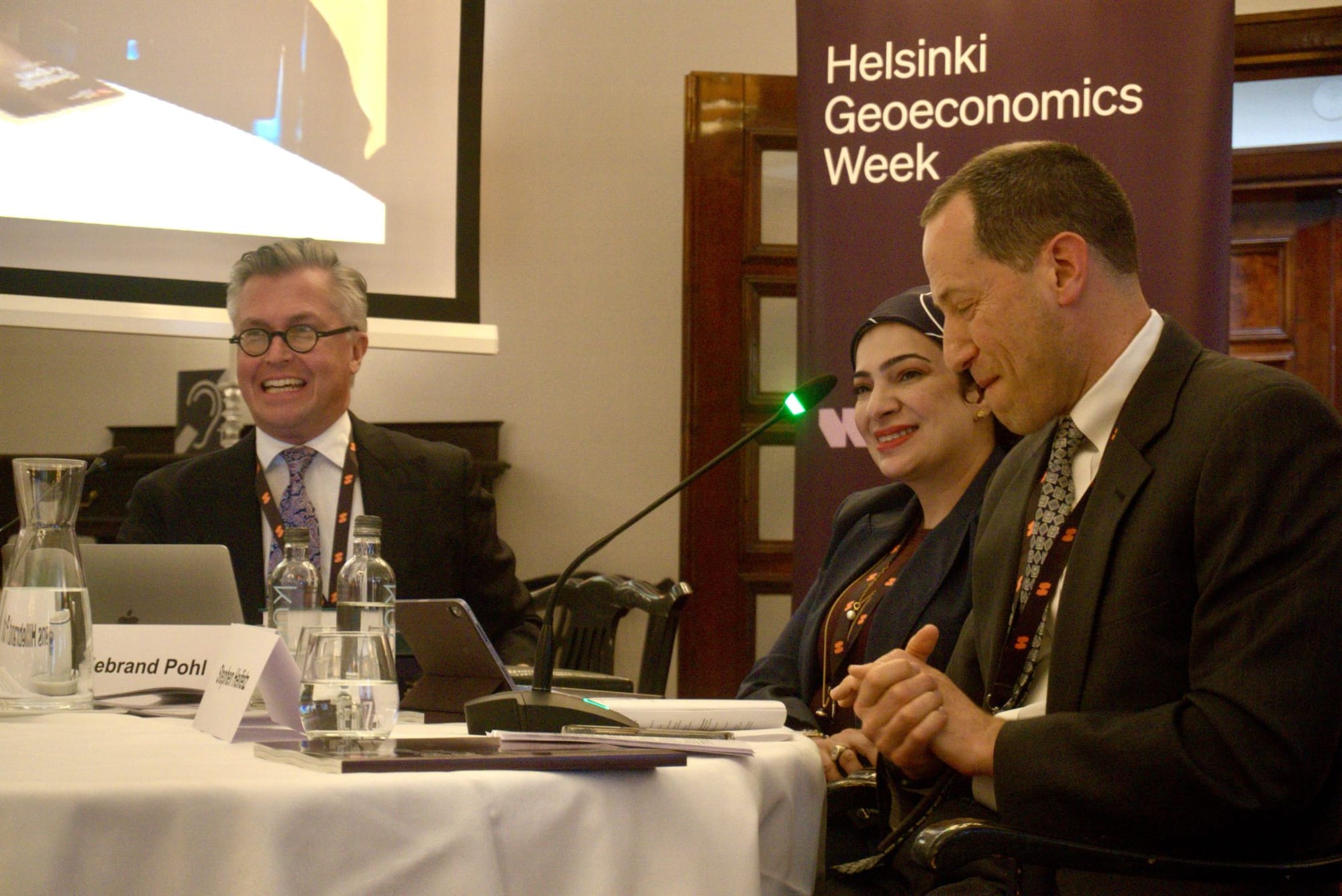
These convenings also marked the beginning of substantive work on the Helsinki Manual on Corporate Geoeconomics, a practical publication intended to support corporate actors navigating an increasingly complex geoeconomic environment. Expert rapporteurs are drawing on the debates, insights, and case studies developed during the week to help shape the Manual and translate the Society’s committee work into a resource for practitioners.
Members of the Susan Strange Cohort played an active role throughout the programme. Selected as emerging geoeconomists to participate in and contribute to the Society’s work, cohort members supported the Secretariat, Rapporteur, and Hegemon teams while also bringing their own intellectual perspectives to the discussions.
Helsinki Geoeconomics Week also provided an opportunity for the Society’s Board of Governors to meet and consider the year ahead. The Board reflected on the Society’s development to date, discussed priorities for the next phase of its programme, and considered how its institutional and intellectual work can continue to contribute to the broader field of geoeconomics.
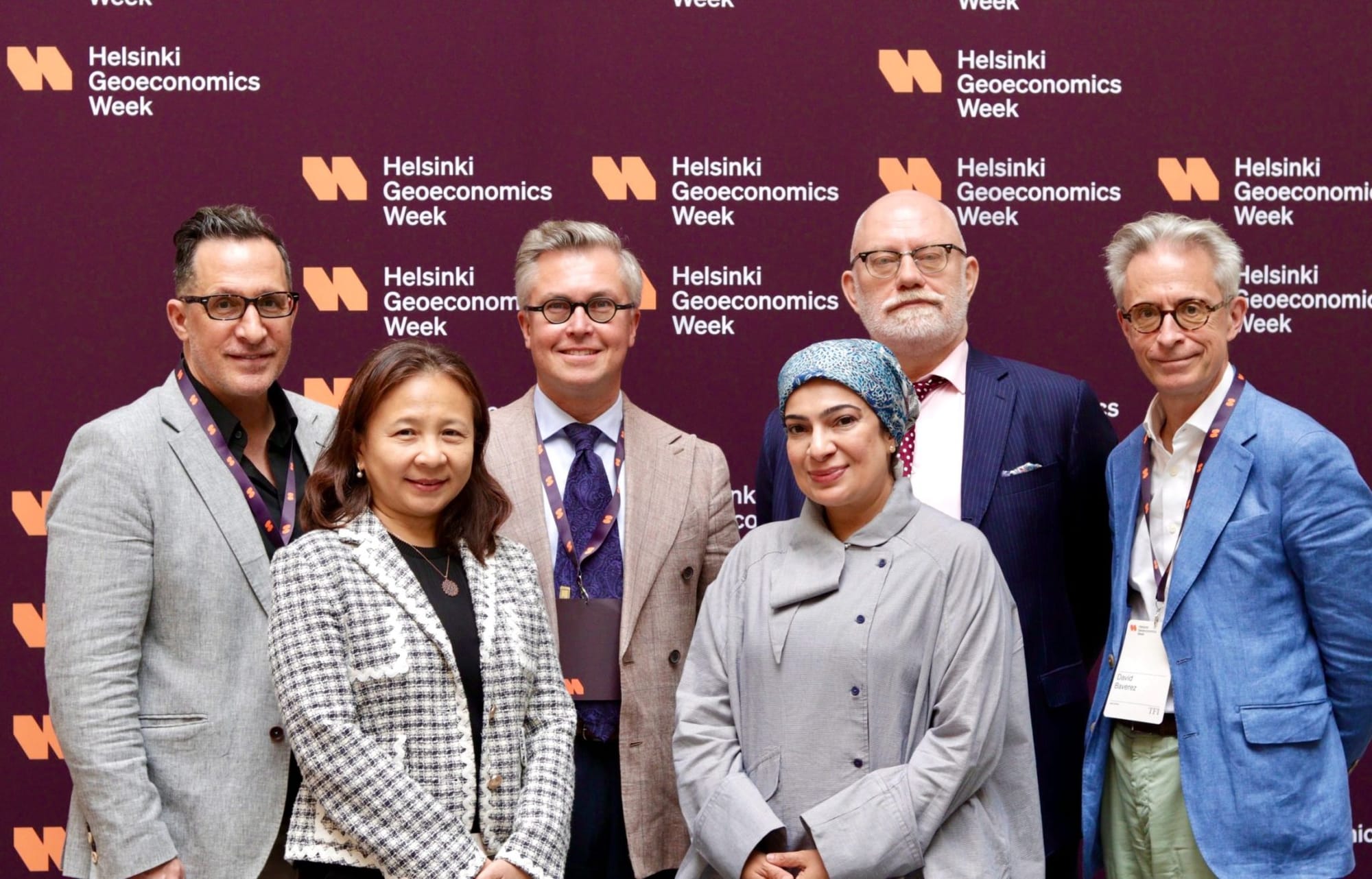
The week concluded with a public symposium devoted to the intersection of life sciences and geoeconomics. The morning opened with a keynote from Arno Hold, Executive Director for Geopolicy, Trade, and Competitiveness at Novartis, who examined the increasingly complex relationship between life sciences, economic security, and geopolitical competition.
A series of panels then brought together practitioners from biotechnology, pharmaceuticals, and geopolitics to explore supply-chain vulnerabilities, potential choke points, and sources of strategic concentration across the pharmaceutical sector. The discussions highlighted the importance of critical precursors, production capacity, and cross-border dependencies in understanding the evolving geoeconomics of health and life sciences.
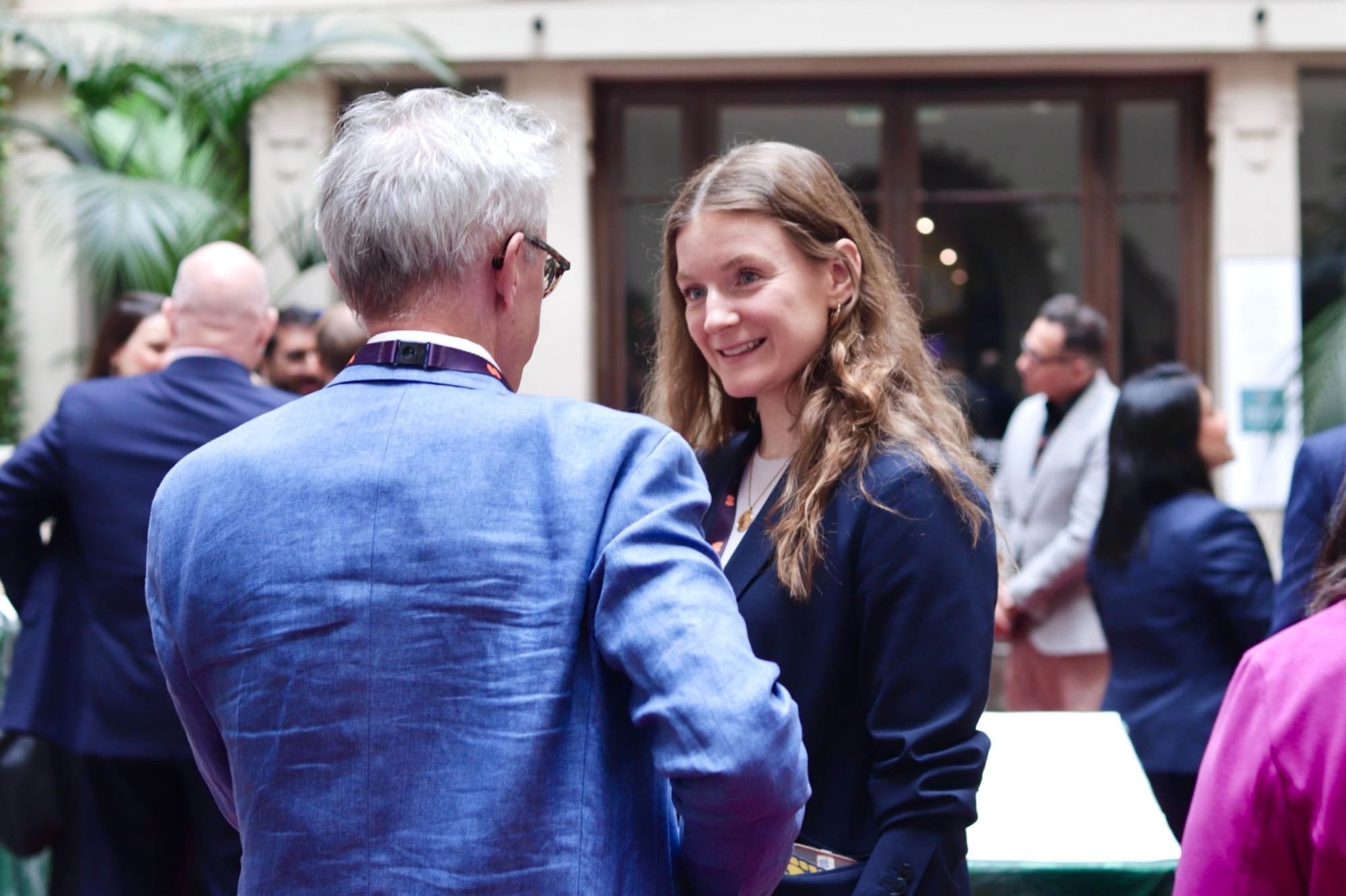
The symposium also featured a talk by Tina Fordham, Founder and Chief Geostrategist at Fordham Global Foresight, who offered practical reflections on how business leaders can navigate a volatile geopolitical environment. Her remarks drew on themes developed in her forthcoming book, Mad World: A Geostrategy Guide for Leaders.
Taken together, Helsinki Geoeconomics Week 2026 marked an important step in the Society’s transition from institutional formation to sustained intellectual and collaborative work. Across committee sessions, public discussions, cohort participation, and institutional meetings, the week created a shared space for examining how geoeconomic change is transforming markets, firms, and statecraft.
The work begun in Helsinki will continue through the Society’s wider programme, including the forthcoming convenings in Singapore focused on Industrial Policy and Data & Technology, and through the publications and institutional initiatives emerging from the 2026 cycle.


